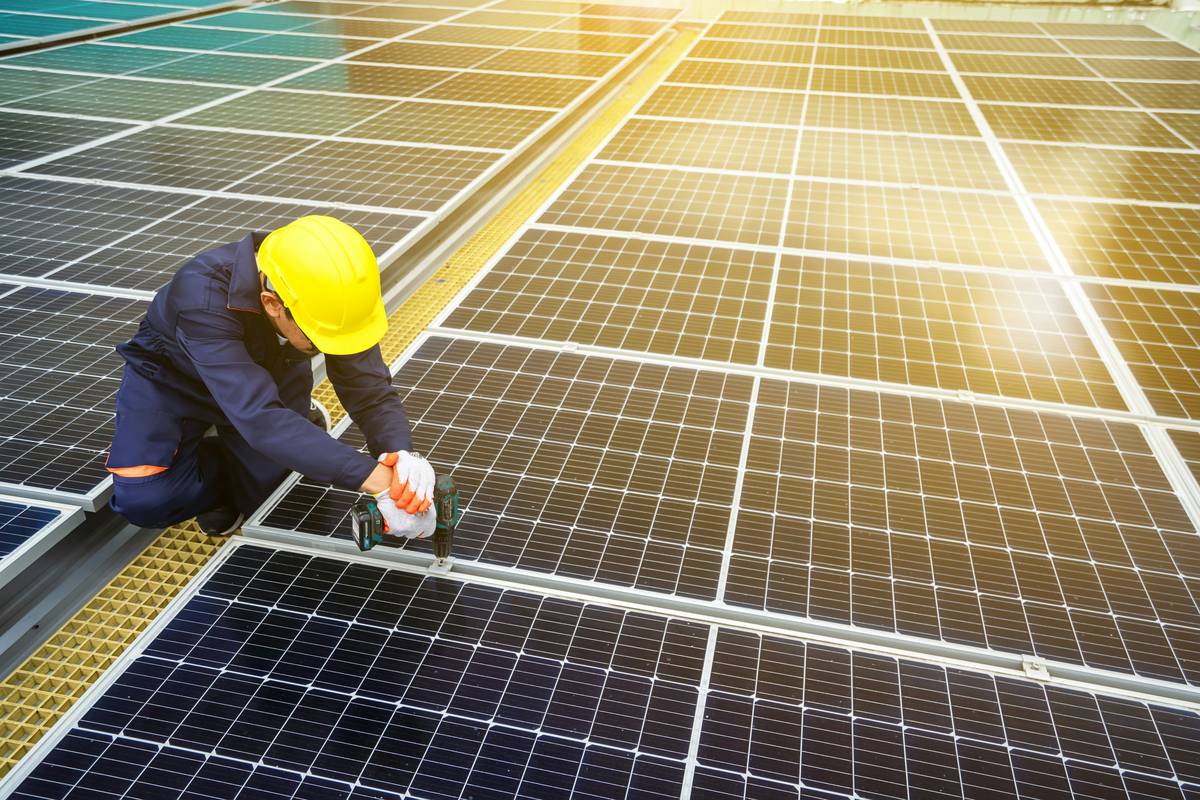
Is your energy bill creeping up despite having solar panels installed? You’re not alone. Many homeowners assume that once solar panels are mounted, they’re “set and forget”—only to discover months later that underperformance or damage has been quietly draining savings. That’s where professional solar panel service and repair becomes non-negotiable. In this guide, we’ll walk you through why timely maintenance matters, how to spot trouble early, and what to do when things go wrong—with real-world insights from years in the field.
Table of Contents
- Why Solar Panels Need Regular Care
- Step-by-Step Guide to Troubleshooting
- Best Practices for Long-Term Reliability
- Real Case Study: Energy Restored
- Frequently Asked Questions
Key Takeaways
- Even minor debris or micro-cracks can slash solar output by 15–25%.
- Diy fixes often void warranties—always consult certified technicians first.
- Scheduling biannual inspections prevents 80% of common failures.
- Poor grounding or faulty inverters are silent energy thieves.
- Professional solar panel service and repair pays for itself in avoided losses.
Why Solar Panels Need Regular Care
Think of your solar array like a car engine: it runs smoothly when clean and tuned, but grit, weather, and time take their toll. Hailstorms, bird droppings, dust buildup, or even improper initial installation can compromise efficiency. According to the U.S. Department of Energy, poorly maintained systems lose up to 25% of their potential output within just two years.
I learned this the hard way. A few years back, I ignored a small crack on a panel edge, thinking, “It’s just cosmetic.” Within six months, moisture seeped in, corroded the wiring, and fried the inverter. The repair cost tripled—and my warranty claim was denied because I hadn’t reported it promptly. Don’t be like me.
Step-by-Step Guide to Troubleshooting
1. Monitor Your System Daily
Use your monitoring app (like Enphase or SolarEdge) to track daily kWh production. A sudden 10–20% drop on a clear day signals trouble.
2. Perform a Visual Inspection (Safely!)
From ground level or a secure ladder, look for cracks, discoloration, burnt smells near the inverter, or shading from new tree growth. Never climb onto your roof without fall protection.
3. Check Connections and Grounding
Loose MC4 connectors or corroded grounding lugs cause intermittent faults. This is a job for licensed professionals—messing with live DC circuits is dangerous.
4. Call for Professional Solar Panel Service and Repair
If diagnostics point to internal damage, degraded cells, or inverter failure, contact a certified technician. At BNG Auto Care, our team holds NABCEP certifications and uses thermal imaging to pinpoint issues invisible to the naked eye.
Best Practices for Long-Term Reliability
- Schedule inspections every 6 months—especially before summer peak-demand season.
- Trim overhanging branches to prevent shading and physical damage.
- Clean panels gently with soft brushes and deionized water; avoid pressure washers.
- Never attempt DIY electrical repairs—this isn’t changing a lightbulb. One mistake can cause fire or electrocution.
- Keep records of all maintenance for warranty claims. We store yours securely—see our Privacy Policy.
Terrible tip alert: “Just hose them down from the roof!” Nope. Cold water on hot glass can cause thermal shock cracking. Seen it happen twice. Don’t add repair bills to your water bill.
Real Case Study: Energy Restored
Last winter, a homeowner in suburban Chicago noticed her system producing only 60% of expected output. She’d delayed calling for solar panel service and repair, hoping snow would “clean” the panels. Instead, ice dams formed, lifting frame seals and allowing water intrusion. Our team found three panels with delamination and a failing string inverter.
We replaced the damaged units, resealed the mounts, and upgraded the inverter firmware. Within 48 hours, production returned to 98% of rated capacity. Over the next year, she saved $1,240 in avoided grid electricity—more than covering the repair cost. This aligns with findings from the National Renewable Energy Laboratory (NREL), which states that proactive maintenance boosts lifetime ROI by 12–18%.
Frequently Asked Questions
How often should I get solar panel service and repair?
Biannual inspections are ideal—once in spring, once in fall. But if you notice performance drops, visible damage, or error lights on your inverter, call immediately.
Can I repair solar panels myself?
No. Most manufacturers void warranties if non-certified personnel handle repairs. Plus, DC voltage risks are serious. Leave it to professionals.
Does home insurance cover solar panel damage?
Often yes—for hail, fire, or storm damage—but not for wear-and-tear or poor maintenance. Always check your policy details.
What’s the average cost of solar panel service and repair?
Minor issues (cleaning, connector fixes) run $150–$300. Major component replacement (panels, inverters) ranges $500–$2,500. Early intervention keeps costs low.
How long do repaired panels last?
Properly serviced systems often exceed their 25-year warranty. Repairs restore function without shortening lifespan—if done correctly.
Where can I find trusted local help?
We offer certified solar panel service and repair across Chicagoland. Contact us today for a same-week diagnostic.
Solar energy is brilliant—until it isn’t. But with smart habits and expert backup, your panels can keep powering your life, not your stress. Don’t wait for the bill to scream; listen to your system now.
Sun fades, panels crack—
But a quick call brings watts back.
Energy peace: restored.